



Dependence is the most accurate term, though, because a person is not only psychologically dependent on alcohol to help them relieve stress but also physically dependent on the substance as well. This individual would experience withdrawal symptoms if they were to stop drinking, which is one of the most important distinctions https://ecosoberhouse.com/ to remember. A more regimented addiction treatment plan created by trained professionals gives a person the best chance at acheiving sobriety. A treatment plan may include medication for stabilization, therapy services, or psychiatry. Alcohol addiction treatment is more effective when loved ones are supportive.

Alcohol Dependence/Alcoholism
I’m only mentioning those people who are doing alcohol-semaglutide clinical trials. There are also people doing clinical trials on smoking, stimulants, and opioids. There is also some evidence for another medication, baclofen, which has been endorsed by the American College of Gastroenterology for patients with alcohol addiction and liver disease. As often happens when you move a medication from clinical trials to clinical practice, we still need to understand whether this medication works in patients.

What Is an Alcohol Use Disorder (AUD)?
When exposed to alcohol for large periods, organs like the liver, heart, brain, and pancreas can be severely damaged. These organ dysfunctions may lead to severe health conditions or even death. Treatment for alcoholism often involves a combination of therapy, medication, and support.
Understanding Alcoholism and the Signs of Severe Drinking Problems
- While the exact causes of alcoholism are not known, a number of factors can play a role.
- Alcohol use disorder can include periods of being drunk (alcohol intoxication) and symptoms of withdrawal.
- Severity is based on the number of criteria a person meets based on their symptoms—mild (2–3 criteria), moderate (4–5 criteria), or severe (6 or more criteria).
- Symptoms include a strong craving for alcohol, continued use despite recurrent problems resulting from drinking, and the development of tolerance or withdrawal symptoms.
The short answer is that this is not well established, but based on the simple concept of “first, do no harm,” I think we need to track that very carefully. Also, as we all know, there are many differences across all these GLP-1 analogs in brain penetrance. Whether the drug needs to go to the brain to have an effect on alcohol drinking, cocaine seeking, or smoking is really an open question. The idea is that the mechanism is driven by the ability of the medication — semaglutide what is the difference between alcohol abuse and alcoholism and all the GLP-1 RAs — to reduce the rewarding properties of alcohol and drugs. It means, for example, that a patient who typically has 10 drinks per day in the afternoon and night, while they are on the medication they may feel the lack of need to drink up to 10 to feel the same reward. One challenge we have in the addiction field is that many people don’t know that these medications exist — many primary care providers don’t know — and they are completely underutilized.
- If your pattern of drinking results in repeated significant distress and problems functioning in your daily life, you likely have alcohol use disorder.
- You find yourself needing to drink larger quantities of alcohol to get the same mind-altering effects.
- Drinking alcohol too much or too often, or being unable to control alcohol consumption, can be a sign of alcohol misuse and, in some cases, alcohol use disorder (AUD).
- This suggests that these medications may work for some patients and not for other patients.
How Can I Tell If I Drink Too Much?
The FDA has approved medications like naltrexone, acamprosate, and disulfiram to help manage AUD. However, comprehensive treatment often involves a combination of therapy, medication, and support networks to address the multifaceted nature of the disorder. Many people with alcohol use disorder hesitate to get treatment because they don’t recognize that they have a problem. An intervention from loved ones can help some people recognize and accept that they need professional help.
Alcohol Use Disorder: A Comparison Between DSM–IV and DSM–5
Dr. Hoffman is the Co-Founder and Chief Medical Officer of AddictionHelp.com and ensures the website’s medical content and messaging quality. The Alcohol Treatment Navigator provides a wealth of treatment resources, including tips on finding a quality treatment center and a toolkit for your search. You can also visit the SAMHSA site to search for alcohol and drug rehab centers anywhere in the United States. Alcohol dependence, also called physical dependence, happens when a person’s body begins to rely on alcohol to function. In the ongoing clinical trial we’re doing in Maryland in my program at the NIH, we do just that. Of course, patients come to clinic weekly, so unless they have symptoms, typically we don’t see anything at the time.
Cognitive behavioral therapy (CBT):
If you or someone you know is dealing with these challenging issues, professional help is key. Vanguard Behavioral Health provides comprehensive services that cater to those in need of support on the path to sobriety. Recognize the signs, embrace the courage to seek assistance, and remember that organizations like Vanguard Behavioral Health are dedicated to guiding individuals through their journey toward a healthier, alcohol-free life. Alcohol dependence and alcohol abuse were two designations previously recognized in the DSM-IV.
- Research suggests that between 50% and 60% of the risk for AUD is genetic, with environmental factors also playing a significant role.
- Neither this site nor anyone who answers the call receives a commission or fee dependent upon which treatment provider a visitor may ultimately choose.
- It means, for example, that a patient who typically has 10 drinks per day in the afternoon and night, while they are on the medication they may feel the lack of need to drink up to 10 to feel the same reward.
- Innovations in policy and treatment access are also crucial, as they can broaden the reach of effective treatments.
- Depression, anxiety, and suicidal ideation are widespread consequences.
- Dependence is the most accurate term, though, because a person is not only psychologically dependent on alcohol to help them relieve stress but also physically dependent on the substance as well.
- Alcoholism, a chronic disease characterized by a loss of control over drinking and changes in brain regions, necessitates comprehensive treatment approaches.
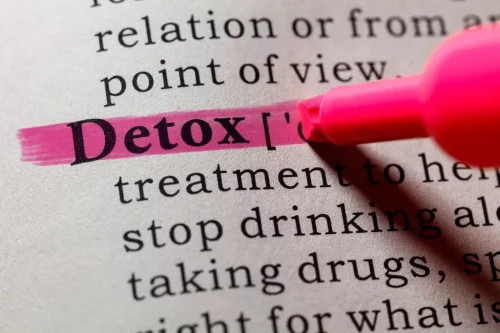
- That is why alcohol detox and alcohol withdrawal treatment is administered by medical professionals.
- It takes only one time for someone who constantly abuses alcohol to hurt themselves or someone else by driving drunk or doing something else reckless.
This is of particular concern when you’re taking certain medications that also depress the brain’s function. Withdrawal symptoms from alcohol dependence can range from irritating to fatal. Anyone struggling to stop drinking alcohol should seek proper supervision, such as a medically supervised detox program. If you have a history of withdrawal symptoms, see a health professional before quitting. You should also see a professional before quitting alcohol if you have other health conditions. While cirrhosis scars from excessive drinking are irreversible, quitting alcohol and leading a healthier lifestyle can help your liver heal from alcohol-related liver disease.